

An introduction to endocrine diseases for veterinary nurses
Endocrine diseases are some of the most common long-term diseases we see as veterinary nurses. From diagnosis to inpatient care, treatment and nurse consultations we can make an enormous difference…

Anaesthesia nursing considerations for brachycephalic breeds
Through this webinar you will take a journey revisiting the anatomy including skeletal and soft tissue deformities commonly seen in modern day brachycephalic dog breeds and how these malformations dictate…
Arterial Blood Pressure: ‘Feeling the Pressure!’
The primary determinant of organ perfusion is blood pressure, profound hypotension is common in anaesthetised patients and is connected to hypoperfusion and organ failure. The ability to measure and monitor blood pressure…
Capnography – Riding the Waves!
Capnography has evolved into an essential component for monitoring anaesthetised patients and capnography is included in the Standards of Mandatory Monitoring with the American Society of Anaesthesilogists and the Association…
Cardiopulmonary resuscitation (CPR) in practice
Cardiopulmonary arrest is condition best managed with a trained team and an organised workplace. There has been a clear association with using standardised guidelines, training and post-arrest review and improved…
Cats and their chat! Making the veterinary journey – Feline fabulous!
This webinar chats all about cats! Communication is a vital part of feline handling and behaviour. In this webinar, I will talk about species-specific communication in the feline species, discuss…

Dentistry for RVNs: The Oral Examination and Charting
The oral examination is an important part of the clinical examination and should be performed routinely when patient’s present for consultations. However, there is a different process involved when performing…
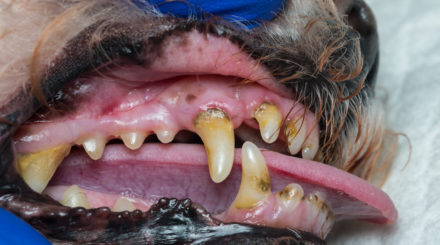
Feline Quality of Life and Palliative Care
Monitoring quality of life in our feline patients not only helps us to monitor treatment plans and welfare, but it also helps owners to understand the impact of health status…

FROM ADSON TO WEITLANER: A Guide to Surgical Instruments & How to Care for Them (Part 1)
Part 1: Instrument Knowledge Surgical instruments are an extension of the surgeon’s hands, and understanding their design and function is key to supporting safe and efficient surgery. This session explores…
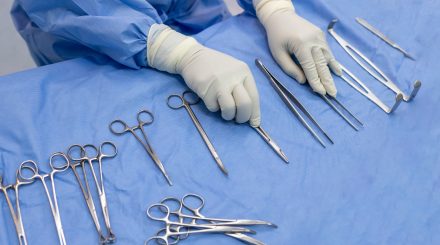
FROM ADSON TO WEITLANER: A Guide to Surgical Instruments & How to Care for Them (Part 2)
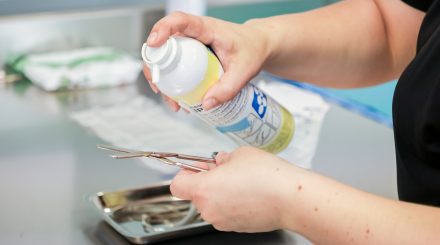
Part 2: Care, Cleaning & Sterilisation Proper care of surgical instruments is essential for preventing infection, maintaining performance, and protecting a significant financial investment for the practice. This session focuses…
Go with the flow: Fluid therapy for RVNs
We commonly encounter patients receiving intravenous fluid therapy as veterinary nurses. But how can be plan and deliver the best possible care to these patients? This webinar will discuss the types…

HASHTAG CLEAN: A Guide to Pre-operative Preparation of the Surgical Patient (Part 1)
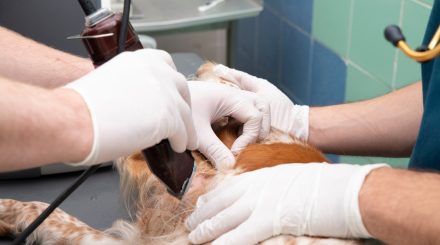
Surgical site infections are often driven by the patient’s own skin flora, making effective pre-operative preparation essential for reducing risk and improving outcomes. This practical session focuses on the first…
HASHTAG CLEAN: A Guide to Pre-operative Preparation of the Surgical Patient (Part 2)
Building on clipping technique, this session focuses on effective skin preparation and antisepsis to minimise surgical site infection risk. We explore how to select appropriate antiseptic solutions, including chlorhexidine, povidone-iodine,…
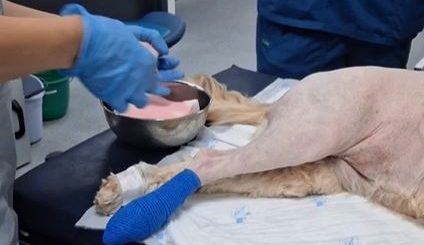
Husbandry of commonly seen exotic pets – birds, reptiles & amphibians
This webinar will provide veterinary professionals with a basic grounding on the essential husbandry requirements for commonly encountered bird, reptile and amphibian pets. It will provide practical advice on achieving…

Husbandry of commonly seen exotic pets – small mammals
This webinar will provide veterinary professionals with a basic grounding on essential husbandry requirements for commonly encountered exotic small mammals. It will provide practical advice on achieving best practice husbandry…

Making light of acid base & blood gas analysis
Performing acid-base and blood gas analysis is commonplace with our emergency veterinary patients. In this webinar, we look at assessing pH levels and recognising any abnormalities as well as interpreting…
Managing feline trauma
This webinar on “Managing Feline Trauma” is a culmination of Ashley’s nearly 20 years of experience in ECC. It focuses mainly on initial stabilisation, including how to recognise and manage…
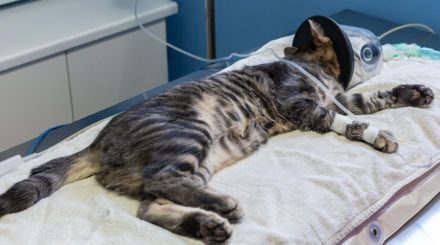
Nursing clinics… you have to be in it, to win it
In this webinar, you will become more confident in planning and running a variety of nursing clinics for your practice. The webinar also covers how to build rapport with your…
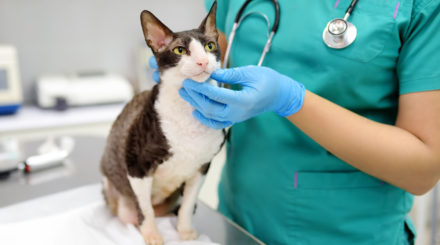
Nursing IVDD in canine patients
Intravertebral disc disease is a common spinal disease which can be seen in Primary care and referral practice patients. This webinar will look at the types of IVDD commonly seen…

Nursing myasthenia gravis in canine patients
This webinar will focus on the neuromuscular disease ‘myasthenia gravis’. Find out what it is, the clinical signs and how the disease is diagnosed. This webinar will also give details…