

Increased liver enzymes in dogs & cats

Internal Medicine | 60 mins

In this veterinary CPD webinar we discuss how elevated serum liver enzyme activities are often the first finding that prompts suspicion of the presence of hepatobiliary disease. In one study of more than 1000 blood samples from clinically healthy dogs and cats, 39% of the samples showed elevated alkaline phosphatase (ALP), and 17% elevated alanine aminotransferase (ALT). Unfortunately, blood tests are generally not specific enough to allow for the differentiation between primary or secondary liver problems. The question is… how do we approach liver enzyme increases in asymptomatic patients? In this webinar, we discuss a logical approach to the increase of liver enzymes in dogs and cats.

Meet the speakers
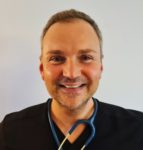
Scott Kilpatrick

Director, Internal Medicine Specialist

show
Scott graduated from the University of Edinburgh Veterinary School in 2007. He initially worked for the PDSA before taking up a Senior Veterinary Surgeon position with Vets Now in Edinburgh in 2010. In 2012, Scott began his residency in Small Animal Internal Medicine at the University of Edinburgh, following a year as a Teaching Fellow in Anatomy and Physiology. He completed his residency in 2016 alongside a Master’s degree focused on the pathogenesis of canine liver disease and has since worked exclusively in referral-level clinical practice. Scott is currently based in Canada and undertakes his clinical work at Westcoast Animal Veterinary Emergency & Specialty Hospital on Vancouver Island, where he sees internal medicine referral cases. In addition to his clinical work, Scott has created and delivered a Postgraduate Certificate in Small Animal Emergency Medicine in association with the University of Chester. In 2023, he was awarded Fellowship of the Royal College of Veterinary Surgeons (FRCVS) in recognition of his meritorious contribution to clinical practice.

already purchased this webinar? login to your vtx account for access

login
check out all our other webinars webinars